
4×4 tent trailer adventures might feel like a very modern way to explore, but the reason people pack up and head into the outdoors has hardly changed. Camping has always been about escaping routine, discovering new places and spending time somewhere that feels far removed from everyday life.
What has changed dramatically is the equipment that goes along for the journey.
From heavy canvas tents and boxes filled with poles to rooftop tents, portable fridges and modern adventure trailers, camping has come a long way. Looking back at how people once camped makes today’s setup seem remarkably different, even though the experience everyone is chasing remains surprisingly familiar.
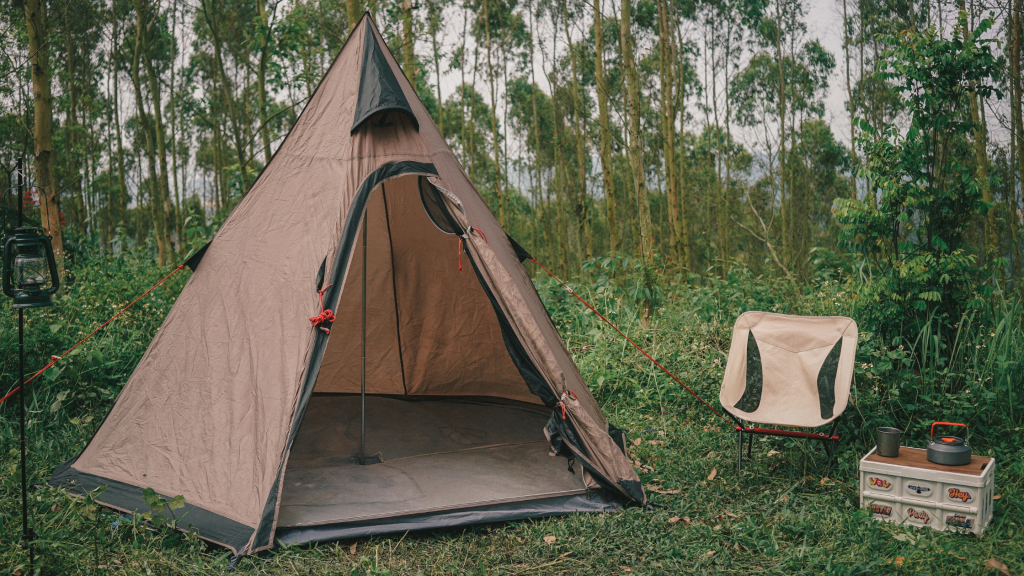
Remember the Canvas Tent?
For many South African families, camping once started with a large canvas bag being unloaded from the boot.
Inside was a heavy tent, an intimidating collection of poles, pegs and ropes, and usually at least one piece that nobody could quite remember where it belonged.
Setting up camp was part of the adventure.
Ground sheets were unfolded, canvas was stretched into position and poles had to be assembled in the right order. Sleeping arrangements might have involved foam mattresses, sleeping bags and pillows brought from home.
Camping equipment was generally bulky, heavy and simple.
It worked, but getting an entire family’s camping setup into the car required some impressive packing skills.
Cooler Boxes, Gas Lanterns and Paper Maps
Camping technology extended well beyond the tent.
Before portable camping fridges became commonplace, food and drinks relied heavily on cooler boxes and bags of ice. Keeping everything cold for a longer trip required planning, particularly when travelling somewhere remote.
Lighting often came from gas lanterns, torches or rechargeable lights that seemed determined to run flat exactly when they were needed.
Navigation was another completely different experience.
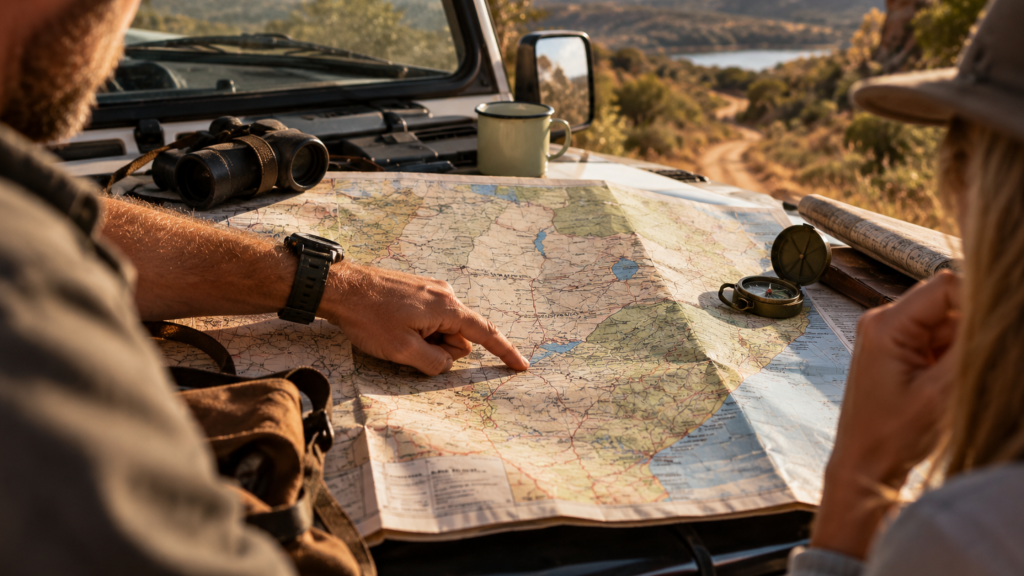
There was no phone casually announcing that the next turn was 400 metres away. Travellers unfolded enormous road maps across the dashboard, traced routes with their fingers and occasionally discovered that the road they were looking for was considerably less impressive in real life than it appeared on paper.
Getting a little lost was simply part of travelling.
Camping Equipment Became Lighter and Smarter
As camping became more popular, equipment began changing.
Modern synthetic materials made tents lighter and easier to handle. Dome tents reduced the complicated collection of poles, while pop-up designs made it possible to create shelter in minutes.
Sleeping equipment improved too. Self-inflating mattresses, compact camping furniture and lighter sleeping bags made it possible to carry greater comfort without filling every available centimetre of the vehicle.
LED lighting transformed campsites after dark, while portable fridges made longer trips considerably easier.
GPS navigation and smartphones changed how travellers planned routes, found campsites and explored unfamiliar areas.
Camping was becoming simpler to set up and easier to take further.
The Rise of the 4x4 Tent Trailer
One of the biggest changes came when more of the camping setup started moving off the ground and onto the trailer.
A 4×4 tent trailer combines transport, storage and sleeping capability into one travelling setup. Rather than trying to squeeze everything into the tow vehicle, travellers can keep camping equipment organised in a dedicated trailer while using a rooftop tent for sleeping.
It changes the rhythm of arriving at camp.
With equipment stored where it belongs and sleeping accommodation carried above the trailer, there is less need to unpack half the vehicle before the evening can begin.
The Trek Horizon follows this modern approach to camping. Its 1,550 litres of waterproof and dust-proof storage provide space for camping equipment, while its rooftop-tent compatibility allows travellers to create a sleeping setup above the trailer.
It is a very different experience from wrestling with canvas and tent poles on the ground.
Some Camping Traditions Haven't Changed
Technology might have transformed the campsite, but some things remain reassuringly familiar.
Someone still has to get the fire going.
Coffee somehow tastes better outdoors.
Camp chairs inevitably end up facing whichever direction has the best view.
Meals that would seem completely ordinary at home become memorable when they are cooked outside after a long day on the road.
And there is still something special about waking up somewhere completely removed from normal routines.
Modern camping equipment does not need to replace those experiences. If anything, it can make it easier to spend more time enjoying them.
Modern Doesn't Have to Mean Complicated
With all the equipment available today, it is easy to assume modern camping needs an endless collection of gadgets.
It doesn’t.
The best equipment is often the equipment that quietly makes the trip easier.
A reliable fridge keeps food cold. Good lighting makes evenings simpler. A comfortable sleeping setup means everyone wakes up ready for the next day. A well-designed 4×4 tent trailer gives equipment a dedicated place instead of turning the vehicle into a complicated game of packing Tetris.
The technology has improved, but the objective remains simplicity: arrive, set up and enjoy being there.
Compare an old family camping photograph with a campsite today and almost everything may look different.
The canvas tent has become a rooftop tent. The cooler box has become a portable fridge. The gas lantern has become an LED light. The folded road map has become GPS navigation. And for many travellers, the overloaded family car has been joined by a 4×4 tent trailer carrying the equipment needed for the journey.
Yet look beyond the gear and very little has changed.
People still go camping to explore somewhere new. They still gather around fires, wake up to unfamiliar views and spend time with people who matter to them.
The Trek Horizon is part of that evolution, bringing modern convenience, comfort and practicality to an experience that has been enjoyed for generations. It makes getting out there easier, without changing what makes camping special in the first place.
The equipment has changed. The reason we go hasn’t.